Learn more
Alerts by PilotAI
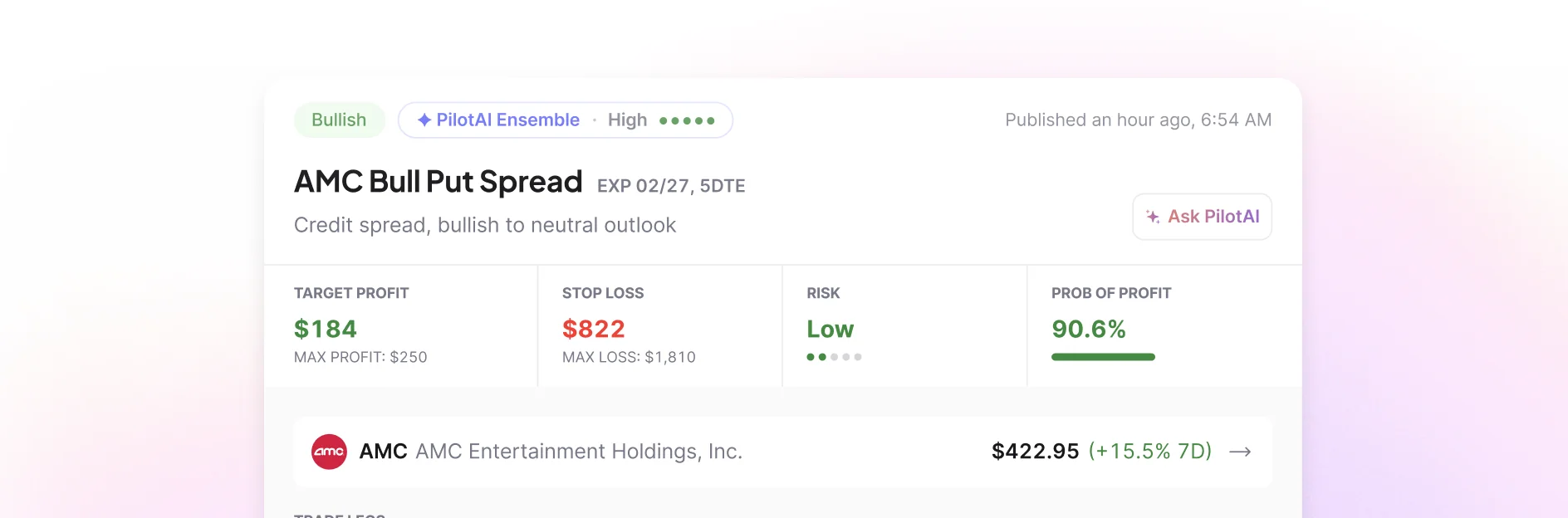
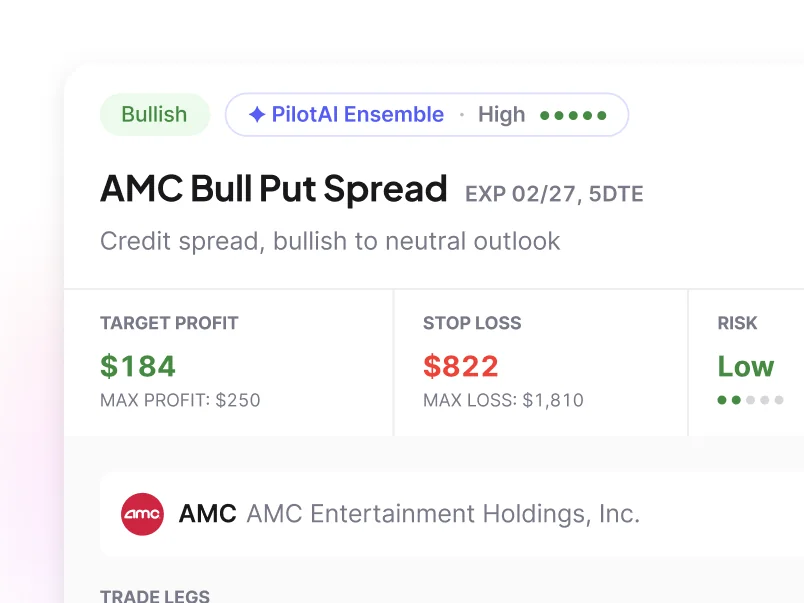
Trade opportunities with the work shown — AI- and analyst-curated signals across options, stocks, crypto, and futures.
Strategic investing, powered by AI
Trade opportunities with the work shown — AI- and analyst-curated signals across options, stocks, crypto, and futures.
50+ AI-built thematic portfolios, each constructed from live market data with the rationale fully visible before you invest.









AI-Related Companies
Biomedical and Genetics Industry
E-commerce Enablers
Dividend Aristocrats
Fallen Angels
Clean Energy Revolution
Gaming Giants
5G Infrastructure
Biotech Breakthroughs
Diversified Bluechips
Utilities Sector Stability Fund
Thematic Investing
Generated on October 14 at 12:00 AM
Base case is a continued U.S. economic expansion with real GDP around 2.3% in 2026 and 2.2% in 2027, supported by modest job gains and AI/infrastructure capex. The key risk is not an imminent demand-collapse recession but a higher-for-longer nominal-rate regime that pressures equity valuation multiples and credit. Equity upside depends heavily on 10-year Treasury yields drifting toward 4.50%–4.75%, gradual disinflation of core PCE toward ~2.4%, contained credit stress in lower-quality borrowers, and a sustained but orderly AI-investment cycle. Adverse combinations of sticky inflation, yields above ~5%, wider credit spreads, oil or tariff shocks, and an AI-capex correction could trigger multiple compression and a credit-led slowdown even if GDP remains positive.
This report is intended for informational purposes only, not financial advice. For tailored guidance, please consult a qualified financial advisor.
SHORT-TERM SENTIMENT
Neutral
MEDIUM-TERM SENTIMENT
Slightly Bullish
LONG-TERM SENTIMENT
Neutral
SECTOR OUTLOOK
Sector performance over the next 12–18 months will be driven more by interest-rate path, AI-capex durability, and credit conditions than by headline GDP alone. Quality balance sheets, rate resilience, and exposure to AI/productivity and infrastructure are favored, while highly leveraged, rate-sensitive, and import-dependent segments are more vulnerable to a higher-for-longer regime, credit accidents, and policy shocks.
Information Technology (AI, Semis, Cloud/Data Centers)
Slightly BullishIndustrials & Capital Goods (including Infrastructure)
Slightly BullishUtilities & Infrastructure (Power, Grid)
Slightly BullishReal Estate (REITs, Housing-Linked)
Slightly BearishHigh Yield & Leveraged Credit (as a de facto sector)
Slightly BearishRaymond James projects U.S. real GDP growth of about 2.3% in 2026 and 2.2% in 2027, with roughly 70,000 monthly payroll gains and AI/infrastructure investment sustaining demand. This rules out a near-term, traditional recession as the central case and supports ongoing nominal revenue and earnings growth. However, growth strong enough to keep unemployment stable may also prevent rapid Fed easing, leaving policy and market rates relatively restrictive. Equity risk is thus more about higher discount rates and refinancing costs than a collapse in demand, with particular vulnerability for long-duration assets and highly leveraged or small-cap companies.
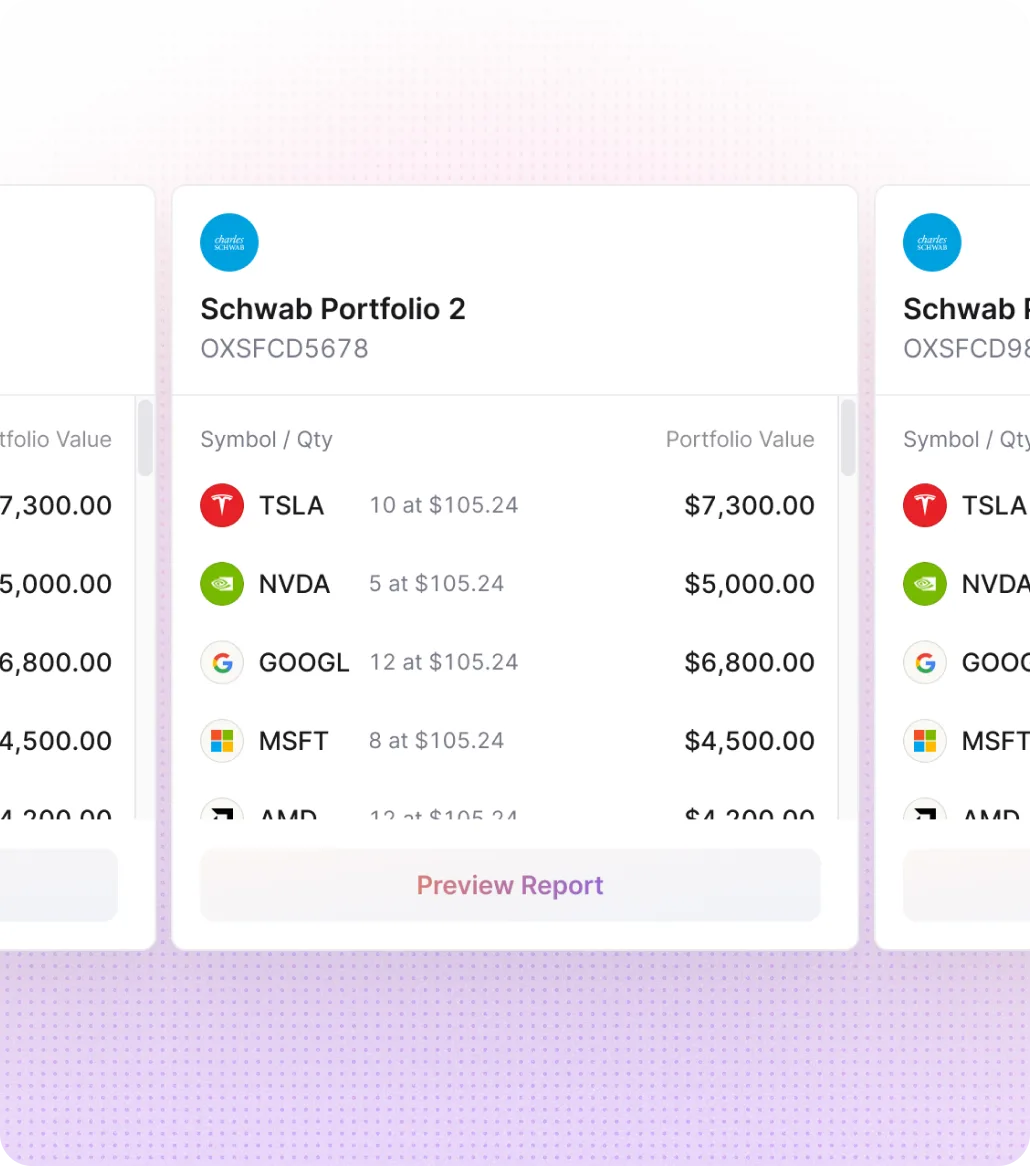
Get a real-time breakdown of your portfolio's performance, sector exposure, and risk concentration — all in one dashboard.
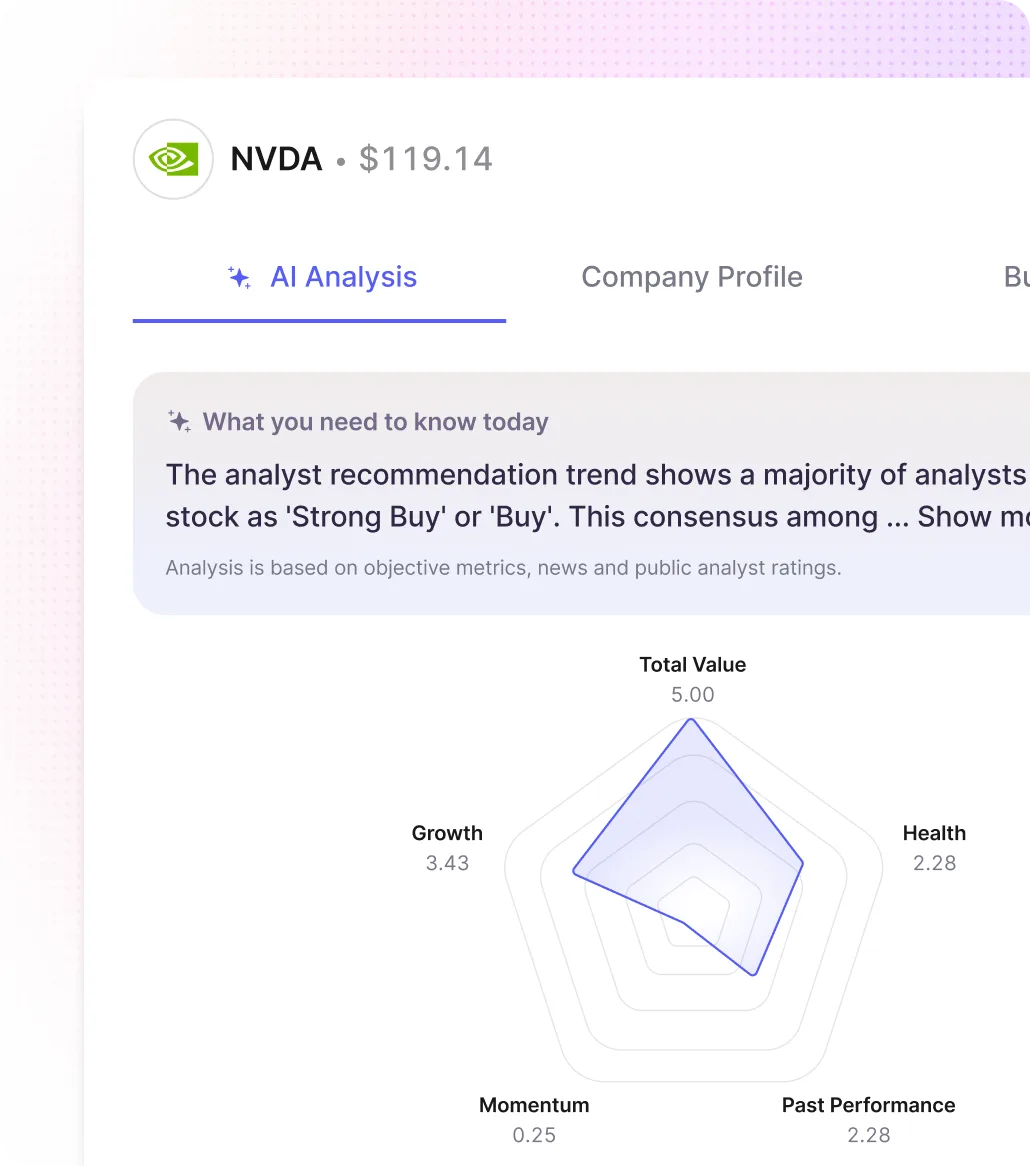
PilotAI portfolios come with comprehensive metrics; you can also connect your own portfolios for analysis.
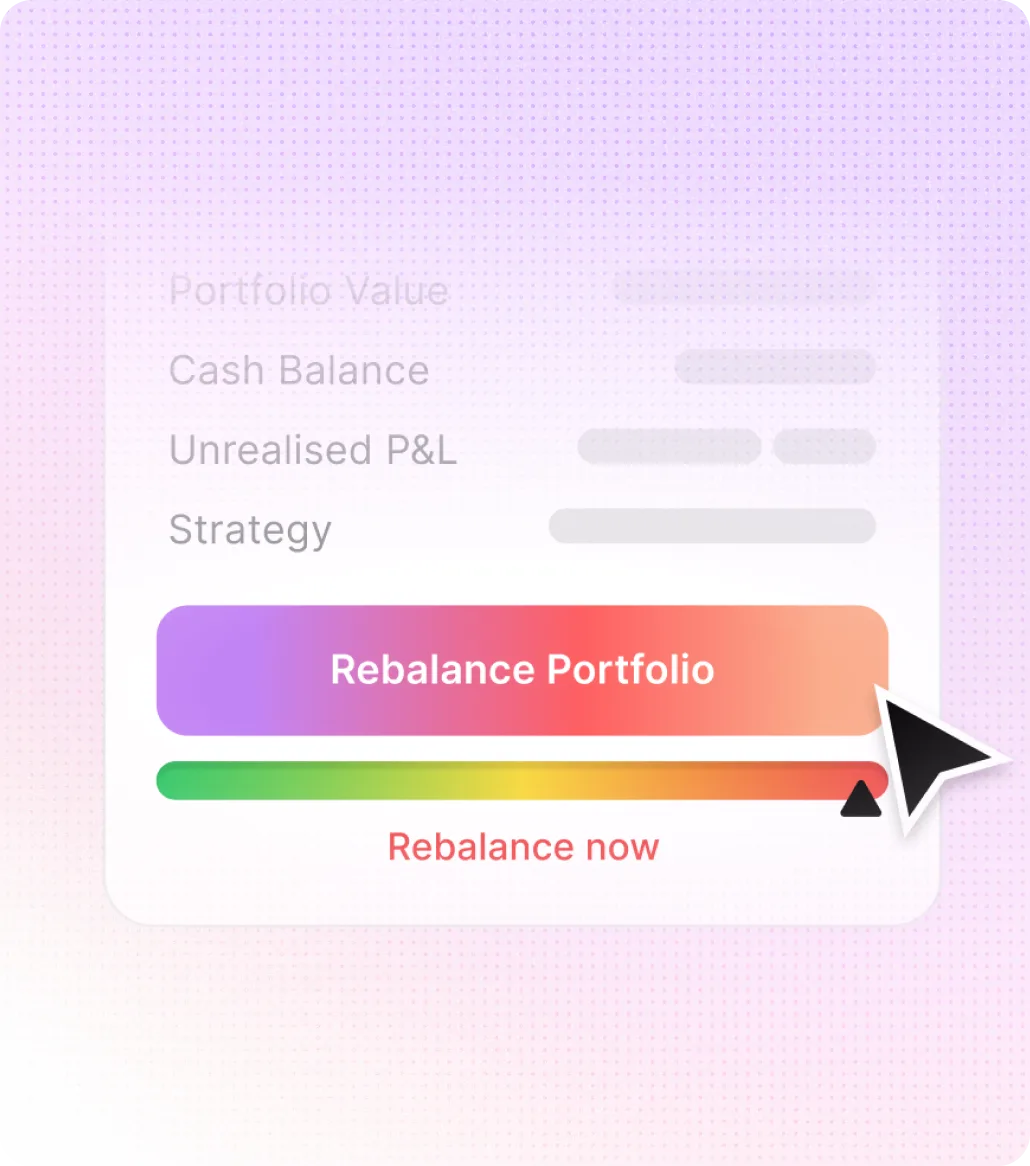
Automatically receive rebalancing recommendations when your allocation drifts — aligned to your strategy's target weights.

Ask anything about your portfolio, market conditions, or specific tickers. PilotAI responds with data-backed, plain-English insights.
PilotAI showed me exactly why each position was in the strategy - the conviction scores and the signals behind them. For the first time I understand what I'm holding instead of guessing.
PilotAI Member
Subscriber for 5 months
Rebalancing used to be the part I avoided. Now PilotAI hands me the exact position changes when drift crosses the threshold and I apply them in one click. My paper portfolio finally stays on target.
Verified Member
Subscriber for 5 months
These results are not typical. Individual results vary significantly and depend on portfolio size, market conditions, and timing of entry. This is not a guarantee of future performance. *Past performance is not indicative of future results.
An AI-driven investing platform. Through Strategies, PilotAI builds 50+ thematic portfolios from live market data — each with its holdings, rationale, and per-ticker conviction scores fully visible. Currently paper-trading, no funding required.
AI analyzes live market data — flow, sentiment, fundamentals — to build each portfolio. Every position carries a conviction score and the signals that placed it there.
Pick one, see its allocation and rationale, and follow it as a paper portfolio. PilotAI tracks the positions and prompts rebalancing as conviction or drift shifts.
PilotAI tracks your paper portfolio against the strategy's target weights. When drift crosses the threshold, you get a rebalancing recommendation with exact position changes pre-calculated — one click to apply. No manual math.
Yes. Connect a brokerage account and PilotAI returns sector exposure, risk concentration, performance breakdowns, and AI analysis per holding. We only read connected accounts — never trade or manage them.
PilotAI is free. Click 'Build a portfolio' to sign up. Contact sales for a premium experience.